Front Page Articles
The Commercial Power of Female Rage in Sync Licensing
By Kellie Larson, Cinematic Songwriter & Lyricist, 2025

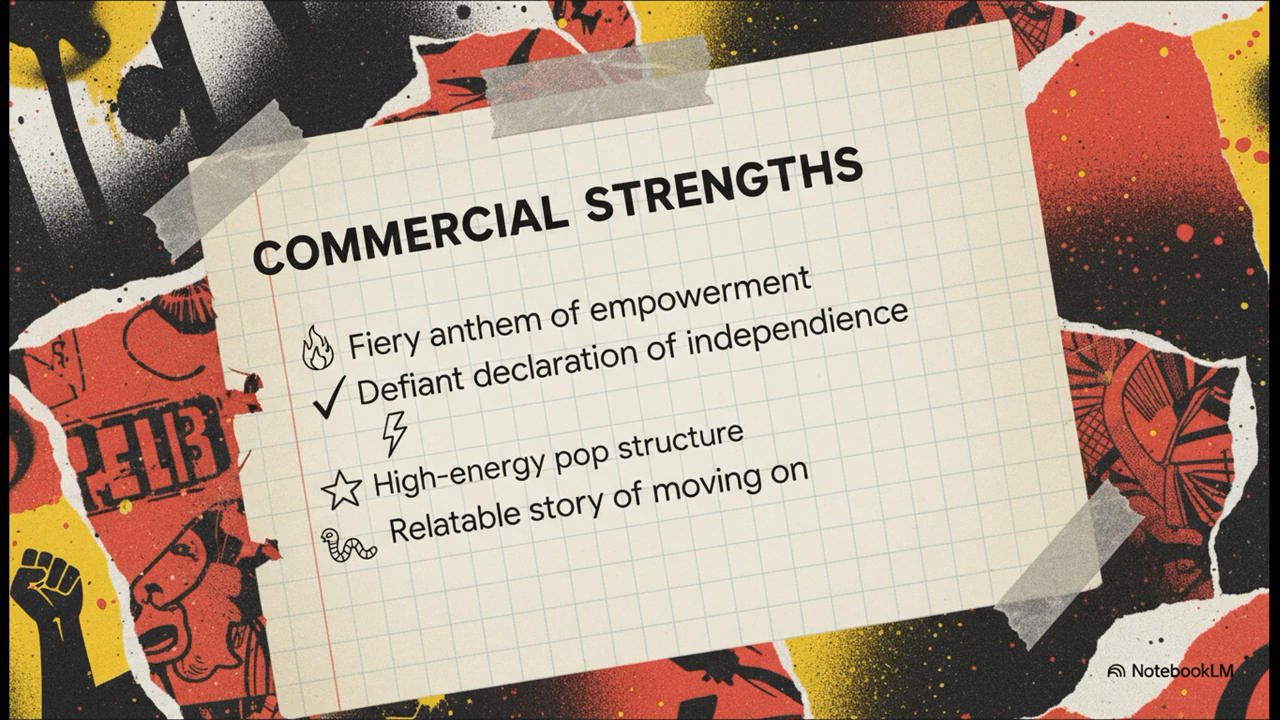
In the current sync licensing landscape, A&R reps and Music Supervisors are scouring catalogs for specific emotional themes that drive market value. We have moved past the era of generic "happy" or "sad" songs; the modern sync market demands nuance, edge, and raw authenticity. One of the most powerful and commercially successful themes dominating 2025 is 'Female Rage'—the art of transforming anger into marketable, high-energy anthems. Cinematic songs like Fury (I'm the Monster) capture this trend perfectly, positioning themselves as top-tier commercial assets for sync agents looking for empowerment with bite.
The Death of the "Good Girl" Trope
For decades, commercial music often pigeonholed female narratives into heartbreak or polite longing. That era is over. The "Good Girl" trope has been dismantled by a cultural shift that craves stories of reclamation. Audiences—and by extension, advertisers and showrunners—want to see the breakdown of composure. They want the moment the protagonist stops being polite and starts getting real. This isn't about uncontrolled chaos; it's about the righteous release of suppressed emotion. Lyrics that articulate this specific transition from silence to screaming are seeing a massive uptick in placement opportunities across drama series, gritty reboots, and even automotive commercials seeking an "edge."
"Monster Activation": A Universal Sync Tool
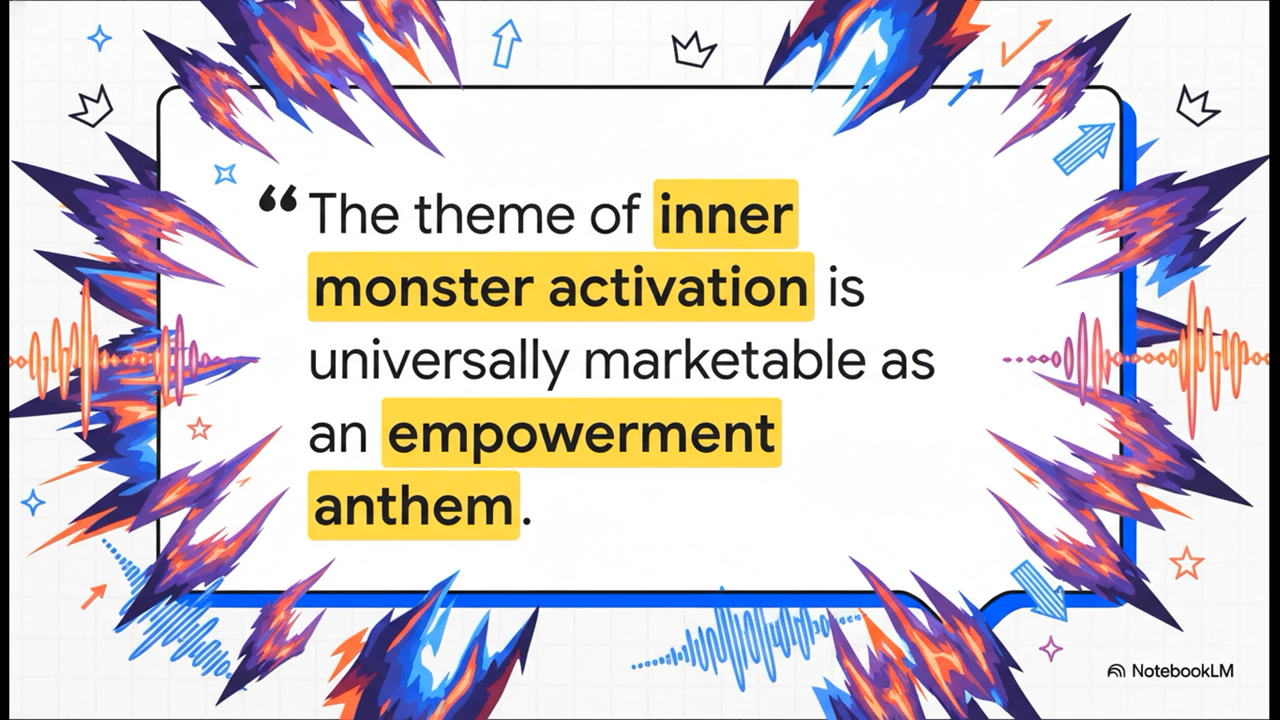
This theme isn't just about anger; it's about Breaking the Chains of Suppression. In the industry, we call this "Monster Activation." It is the moment in a trailer where the bass drops, the camera zooms in on the lead character's eyes, and she decides to fight back. A song like Fury (I'm the Monster) works because it provides the sonic architecture for this visual turn. The lyrics "I'm the monster" aren't literal; they are a metaphor for power that has been demonized and is now being embraced. This makes the track universally marketable as an empowerment anthem. It fits perfectly in trailers for action films, pivotal character transformation scenes in streaming dramas, or sports promos highlighting female athletes found in the Portfolio.
Why It Works for Trailers
Trailer editors work with very specific rhythmic needs. They need a slow build, a moment of silence or "breath," and then an explosive, percussive back-half. Female Rage anthems often naturally follow this structure—starting with a whisper or a simmering tension and exploding into a vocal-heavy, aggressive chorus. This dynamic range allows editors to cut scenes to the beat, using the lyrical "explosion" to match on-screen action. When writing for this market, focus on percussive consonants and open vowels in the chorus to allow the vocalist to belt, creating that necessary wall of sound that competes with sound effects and dialogue.
Key Music Trends of 2026 & Beyond for Music Supervisors
By Kellie Larson, 2025

The sound of tomorrow is being defined today. As we look toward 2026, the music industry is accelerating at an unprecedented pace. For A&R executives and Music Supervisors, staying ahead of the curve means identifying the micro-genres and production techniques that will define the sonic landscape of the next 18 months. Several key Pillars are emerging that every serious songwriter and producer must address to remain viable.
1. Genre Fluidity and the "No-Genre" Era
We are witnessing the final dissolution of traditional genre boundaries. The most sync-friendly tracks of 2026 will not be "Country" or "Hip Hop"—they will be both, and neither. We are seeing Country storytelling meld with Trap percussion; Cinematic Orchestral swells fusing with Phonk drift-bass. This Genre Fluidity allows a single track to appeal to a massively broad demographic. A song like Concrete Under our Feet utilizes this by grounding itself in urban grit while maintaining a folk-style narrative structure, making it placeable in both a gritty crime drama and an uplifting sports documentary.
2. The AI Co-Pilot: Enhancing, Not Replacing
The conversation around AI has shifted from "fear of replacement" to "power of augmentation." Smart songwriters are using AI tools as Creative Co-Pilots for rapid prototyping. This doesn't mean generating lyrics from scratch; it means using AI to test melodic cadence or to quickly generate a "temp track" to see if a lyrical meter fits a specific tempo. This allows writers to present polished, high-fidelity demos to supervisors much faster than traditional methods. The human element—the "ghost in the machine"—remains the unique selling point, but AI creates the vessel for that ghost to travel faster.

3. "Trailerized Tension" and the Tick-Tock Effect
We are seeing a massive shift toward what I call "Trailerized Tension." This is music specifically architected to create anxiety and anticipation. It often utilizes a "Tick-Tock" effect—rhythmic, clock-like percussion that implies a countdown. This is high-concept audio that feels incredibly current. The hooks of 2027 must be Potent + Immediate. There is no time for a 30-second intro. The atmosphere must be established in the first 5 seconds. Lyrics must be sparse but heavy with implication, allowing space for visual dialogue while maintaining a constant, underlying threat.


4. Algorithmic Optimization
Finally, songs are being structured for streaming success. This means "Chorus First" arrangements or "Cold Start" vocals are becoming the norm to prevent skip-rates on playlists. For sync, this is beneficial because it gives the editor the hook immediately. Writers should focus on "hook-y" intros—a unique sound design element or a vocal chop—that serves as an audio fingerprint, instantly recognizable within the first bar.
Case Study: The Demand for Southern Gothic in TV
By Kellie Larson, 2025

The television landscape has seen a resurgence of the "Southern Gothic" aesthetic, driven by the massive success of shows like Yellowstone, True Detective, and Ozark. These narratives require a very specific sonic palette: one that is steeped in atmosphere, dread, and a sense of ancient, buried secrets. High demand for "Atmospheric Horror" moods signals a move toward dark, oppressive settings where the landscape itself is a character. Our case study, Welcome To Jukes, perfectly illustrates this cinematic lyric strategy.
The "False Sense of Security" Technique
The most effective horror or tension tracks do not start with a scream; they start with a smile that doesn't quite reach the eyes. Welcome To Jukes utilizes a "false sense of security" in its lyrical structure. It invites the listener in with warm imagery—a roadside bar, a friendly face—before slowly revealing the rot underneath. This narrative arc is gold for music supervisors. It allows them to underscore a scene that seems normal on the surface but needs to convey to the audience that something is terribly wrong. It provides subtext without dialogue.

Placement Opportunities
This style of writing opens doors in three specific high-value areas:
- Procedural Crimes Dramas: The "discovery of the body" scene or the "suspect interrogation" often relies on swampy, blues-based darkness.
- Reality TV Tension: Shows like Survivor or other high-stakes competitions use tribal, gothic sounds to underscore betrayal and plotting.
- Video Game Soundtracks: The "Bayou Horror" genre in gaming (e.g., Resident Evil, Hunt: Showdown) is a massive market for lyrics that speak of cursed earth and inescapable fate.
By mastering the Southern Gothic tone, a songwriter taps into a "Prestige TV" market that values lyrical depth and atmospheric weight over pop hooks.
The Songwriting Blueprint: Science of a Hit
By Kellie Larson, 2025
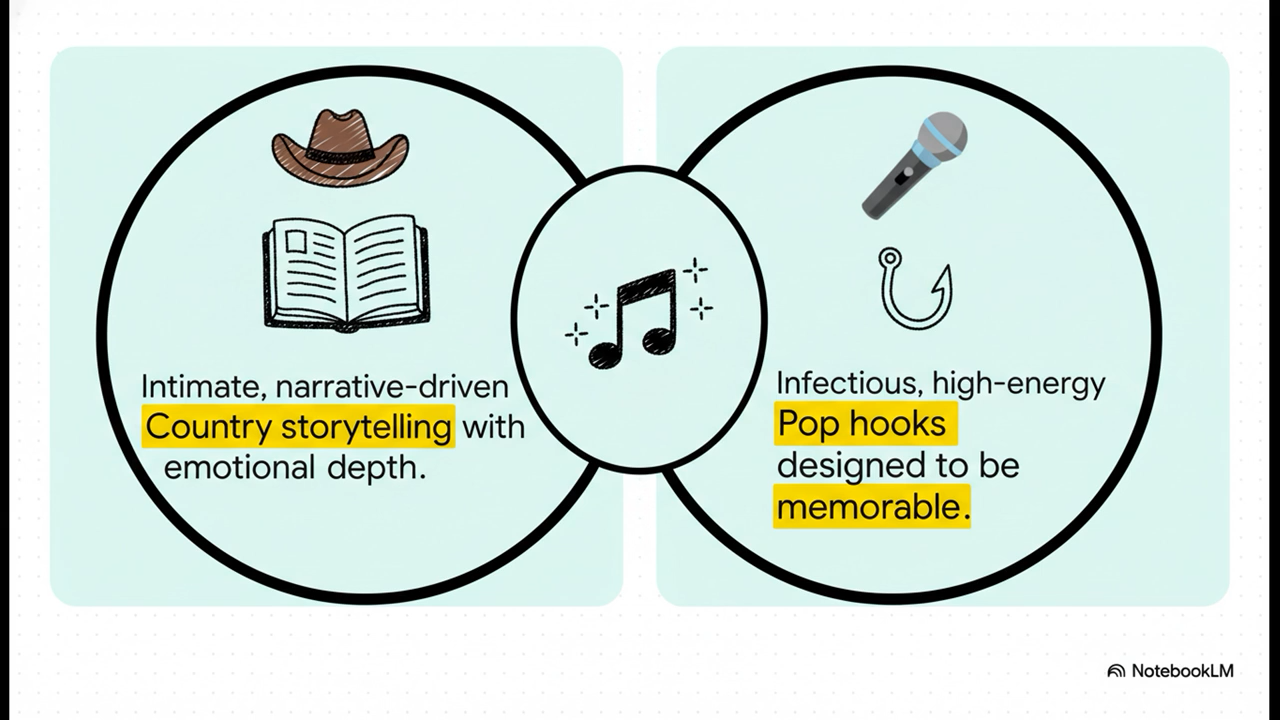
How do you engineer a hit for the modern market? Is it magic, or is it mechanics? The truth is, the most successful songs today are a deliberate fusion of distinct structural philosophies. To create a "Four-Quadrant" hit—one that appeals to young and old, urban and rural—you need to balance two distinct worlds. You need the intimate, narrative-driven Country storytelling with emotional depth, fused with the infectious, high-energy Pop hooks designed to be memorable.
The Hybrid Model: Country Bones, Pop Skin
I call this the "Country Bones, Pop Skin" method. The "bones" of the song—the verses—should follow the rules of Country music. They should be specific, visual, and grounded in a real place. They tell the "who, what, where, and when." For example, in Wildflower, we see "dusty roads" and "faded signs." This grounds the listener. However, the "skin"—the chorus and production—must be pure Pop. It needs to be broad, repetitive, and universal. It switches from specific storytelling to a universal feeling. This combination satisfies the brain's need for a story and the heart's need for a chant.
Engineering the Earworm
Science tells us that the brain craves pattern recognition. A hit song establishes a pattern and then breaks it in a pleasing way. This is often achieved through "Prosody"—the marriage of sound and meaning. If the lyric says "stop," the music should stop. If the lyric mentions "climbing," the melody should ascend. When you combine these technical elements with the Hybrid Model, you create an intellectual property asset that transcends genre. It becomes a universal story with a melody that refuses to leave the listener's head—a prime target for publishing deals and major artist cuts. Songs like Take That First Step exemplify this, taking a specific struggle (addiction/change) and turning it into a universal anthem of new beginnings.
Beyond the Rhyme: How to Professionally Format Lyrics
By Kellie Larson, 2025
You've poured your heart into a song, meticulously crafted melodies, and polished every line. Now it's time to share your lyrical genius with a producer. But before you hit "send," understand that a well-formatted lyric sheet is more than just words on a page – it's a professional calling card for lyricists. A messy lyric sheet signals an amateur; a clean, standardized sheet signals a pro who is ready for business.
The Industry Standard Checklist
Producers and vocalists are busy. They need to be able to glance at a sheet and instantly understand the structure of the song. Here is what you must include:
- Title: Centered at the top, bolded, and in a larger font. Make sure it matches the file name exactly.
- Contact Info: Below the title or in the footer, include your name, PRO affiliation (ASCAP/BMI), and contact email.
- Section Labels: Use clear, bold headers like Verse 1, Chorus, Bridge, Outro. Do not invent creative names like "The Breakdown Part." Stick to standard terminology.
- Consistent Indentation: Indent your Choruses or put them in bold to visually separate them from Verses. This helps the vocalist quickly find the hook.
- Line Breaks: Separate each lyrical line for clarity. Do not run sentences together in a paragraph format. The visual layout should mimic the rhythm of the song.
What to Absolutely Avoid
Clutter is the enemy. Keep the page clean to allow the reader to focus on the words.
- Chords, Key, or Tempo (BPM): Unless specifically requested for a separate chord chart, a lyric sheet is not the place for musical notation. It distracts from the poetry.
- Descriptive Narratives: Don’t include notes about the song’s genre, mood, or what it “sounds like.” Let the lyrics speak for themselves.
- All Caps: Unless stylistically necessary for a specific "shout" section, avoid writing entire sections in all caps. It is hard to read.
- Line Numbers: These clutter the visual flow and are unnecessary.
- Fancy Fonts: Stick to standard, readable fonts like Arial, Times New Roman, or Courier.
The final review is crucial. Read your lyrics backward to catch spelling errors your brain might skip over. Listen to your demo while reading the sheet to ensure every "ooh" and "aah" is accounted for if they are essential to the melody. A polished lyric sheet is the first step in getting your song treated with the respect it deserves.
Deconstructing the Cinematic Lyric: A Sync Supervisor’s Dream
By Kellie Larson, 2025
In the modern music landscape, a creative's value is measured not only by artistic depth but by commercial agility. Sync supervisors, producers, and licensing agents are no longer just looking for “great songs”—they’re looking for strategic assets. A "Cinematic Lyric" is one that serves a visual medium. It is written with the edit bay in mind. Kellie Larson’s lyric catalog is a prime example of how cinematic songwriting can be structured for maximum sync viability, moving away from diaristic songwriting to universal emotional architecture.
Theme-Based Market Value
Instead of organizing a catalog by genre (Rock, Pop, Country), successful sync writers organize by Emotional Utility. What problem does this song solve for a music supervisor?
| Target Market |
Strategic Fit & Justification |
| Film & Television (Cinema/Streaming) |
Emotionally specific lyrics are perfect for scoring pivotal scenes in Dramas, Rom-Coms, and Biopics. They act as the internal monologue of the character. |
| Advertising (Commercials/Branding) |
The concise, memorable nature of the hooks is ideal for creating an instant connection with a product or brand. Think "Energy," "Freedom," "Luxury." |
| Artist & Producer Acquisition |
The strong narrative core provides a robust foundation for vocalists and producers seeking authentic material that allows them to emote convincingly. |
The "Middle Theme" Strategy
Most writers focus on Love or Heartbreak. But the "Middle Themes" are where the money is. These are themes like "Coming Home," "Overcoming Odds," "Friendship," and "Secrets." Understanding the value proposition of each lyric is key to commercial success. A song like Stood By My Side targets the "Friendship/Loyalty" market, which is evergreen for insurance commercials and heartwarming sitcom moments.

Crafting Sync-Ready Lyrics: A Songwriter's Guide
By Kellie Larson, 2025
In today's media landscape, a song's sync potential is a key measure of commercial viability. For songwriters, mastering the art of the "syncable" lyric is crucial for maximizing income and exposure. But what makes a lyric "syncable"? It is often defined more by what it doesn't say than what it does.
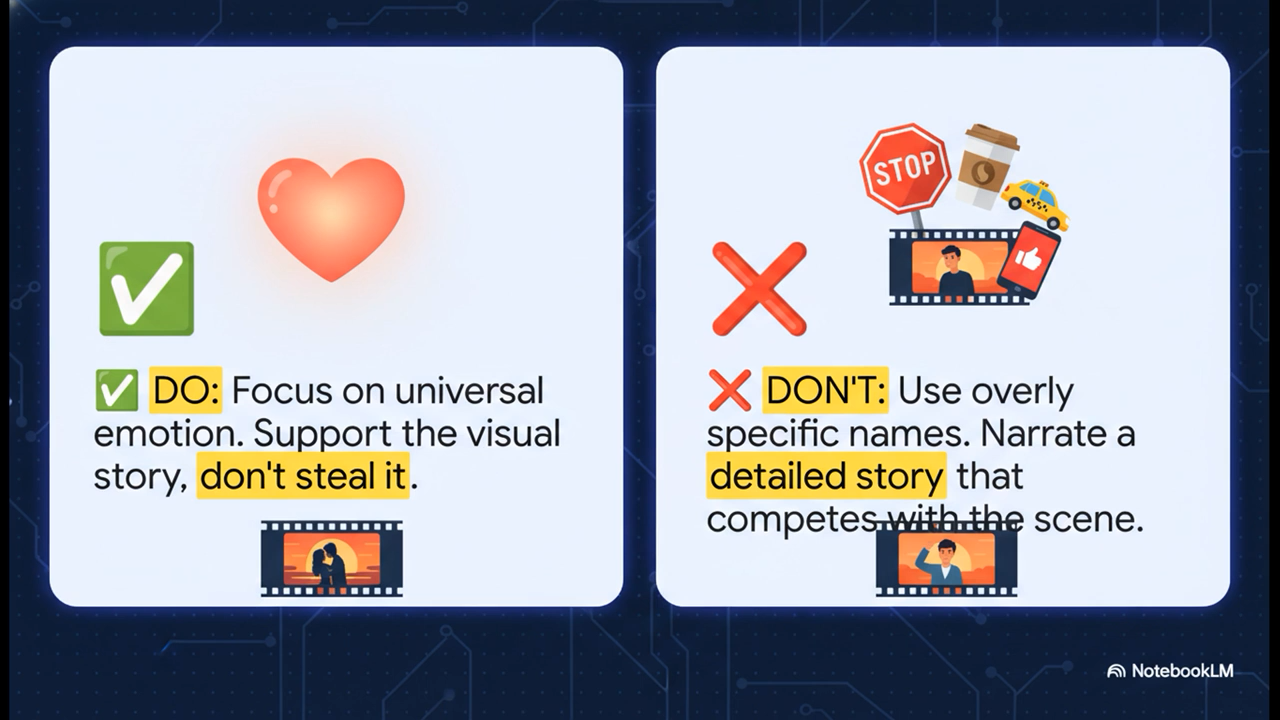
1. Support the Narrative, Don't Steal It
When a song is placed in a TV show or commercial, the visual story is paramount. Your lyric's job is to support the scene's emotional tone, not to be a competing script. If the actors are discussing a divorce, you don't want a lyric that details a specific fight about a credit card bill. You want a lyric about "drifting apart" or "cold silence."
- Avoid Overly Specific Names and Places: A lyric like "I drove my Ford Focus to the coffee shop on Elm Street" severely limits placement. Change it to: "I drove through this tired town to that place where we first met." This allows the song to work in New York, London, or Tokyo.
- Focus on Emotion Over Detail: Instead of narrating an entire story arc, focus your lyrics on the emotional climax or the universal feeling that scene is trying to evoke (e.g., loss, liberation, aspiration, tension).
2. Embrace Lyrical Agnosticism for Genre Flexibility
The most versatile lyrics are often genre-agnostic. This means they can be easily interpreted over a pop beat, an acoustic guitar, or a cinematic string arrangement. This is crucial for "Cover" requests, where a supervisor wants a dark version of a pop song.
- Prioritize Rhythm and Cadence: Ensure your verses and choruses have a strong, natural rhythmic flow. This makes them easier to remix.
- Write for the Hook: In sync, the chorus hook is the most valuable asset. It must be instantly memorable and clearly communicate the emotional core. Phrases like "I'm coming home" or "This is the end" are goldmines.
3. Maintain Absolute Professionalism and Clearance Readiness
Legal and ethical cleanliness is non-negotiable in sync licensing. A single complication can kill a six-figure placement. Ensure your samples are cleared, your splits are signed, and your metadata is spotless. Supervisors need 100% certainty that they can license the track quickly and legally.
Is Your Song Ready for a Deal? Strategic Lyric Audit
By Kellie Larson, 2025
Your lyrics are your most valuable Intellectual Property (IP). But in today's fiercely competitive music market, raw talent isn't enough. Publishers and A&R teams demand material that demonstrates immediate market readiness. They are investing in a product, and that product needs to be defect-free.
The Audit Process
Here at VerseAndChorus.com, we specialize in the kind of Comprehensive Strategic and A&R Audit that was used to assess top cinematic songwriter and lyricist Kellie Larson's portfolio. We don't just offer subjective critique; we provide the **quantifiable data** needed for smart monetization. We look at:
- Structural Integrity: Does the song follow a standard form (VCVCBC)? Is the bridge necessary?
- Rhyme Scheme Quality: Are you relying on lazy rhymes (love/dove)? Are the rhyme schemes consistent?
- Prosody Check: Do the lyrics match the emotional tone of the melody?
- Market Viability: Where does this song fit in the current landscape? Is it Radio? Sync? Streaming?
“The audit I received from Verse and Chorus completely changed how I approach my lyrics. It wasn’t just feedback — it was a roadmap to commercial clarity.”
**— J. Rivera, Independent Artist & Sync Client**
By treating your catalog as a business asset that requires regular auditing and maintenance, you separate yourself from the hobbyists and position yourself as a professional partner for publishers.

The Exceptional and Tier-One Prestige Lyrics
By Kellie Larson, 2025

**The Prestige Measure:** Kellie Larson on Lyrical Depth and Cinematic Narrative. Critical Acclaim is granted to lyricists who demonstrate technical depth, structural innovation, and complex storytelling that successfully fulfills its artistic intention. This work often targets niche genres or high-concept sync placements where emotional depth and layered interpretation are expected and rewarded over structural predictability.

The Tier-One Roster
These songs represent the pinnacle of the "Prestige" category, offering high value for specific, dramatic placements found in the Portfolio.
| Song Title |
Primary Market Target |
Critical Acclaim Tier |
Critique Summary |
| Welcome To Jukes | Sync / Cinematic Blues / Horror | Exceptional | Dark Southern Gothic. High sync value. |
| Take That First Step | Inspirational Pop / Alt-Folk | Exceptional | Addresses addiction with maturity. Strong vulnerability. |
| Fury (I'm the Monster) | Alternative Rock / Metal | Tier-One Prestige | Raw domestic violence narrative. High emotional intensity. |
| Just A Little Lonely | Adult Contemporary Ballad | Tier-One Prestige | Grief through domestic loss. Deep resonance. |
| Etched in Every Space | Pop Ballad / Grief | Tier-One Prestige | Humorous grief details. Elevated emotional impact. |
| The Aftermath | Alt-Pop / Emo-Pop | Tier-One Prestige | Post-chaos struggle. Strong resolution arc. |
| One Small Wrong | Pop / R&B / Hip-Hop Dialogue | Tier-One Prestige | Alternating voices. Complex betrayal story. |
| In My Dreams | Adult Contemporary Ballad | Tier-One Prestige | Grief and escapism. High emotional fidelity. |
| The Back of Me | Pop Ballad / R&B | Tier-One Prestige | Dramatic plea. Strong unrequited desire theme. |
**Masterclass Lyric Analysis: Wildflower**
By Kellie Larson, Cinematic Songwriter and Lyricist
In the modern music industry, a lyric’s value is often measured by its commercial utility. The track "Wildflower" serves as a **Masterclass example** of how to engineer a lyric for maximum **Hit Potential**. It perfectly blends the Country roots of storytelling with the soaring, anthemic nature of Pop.
Phonetic Efficiency: The Sound of Success
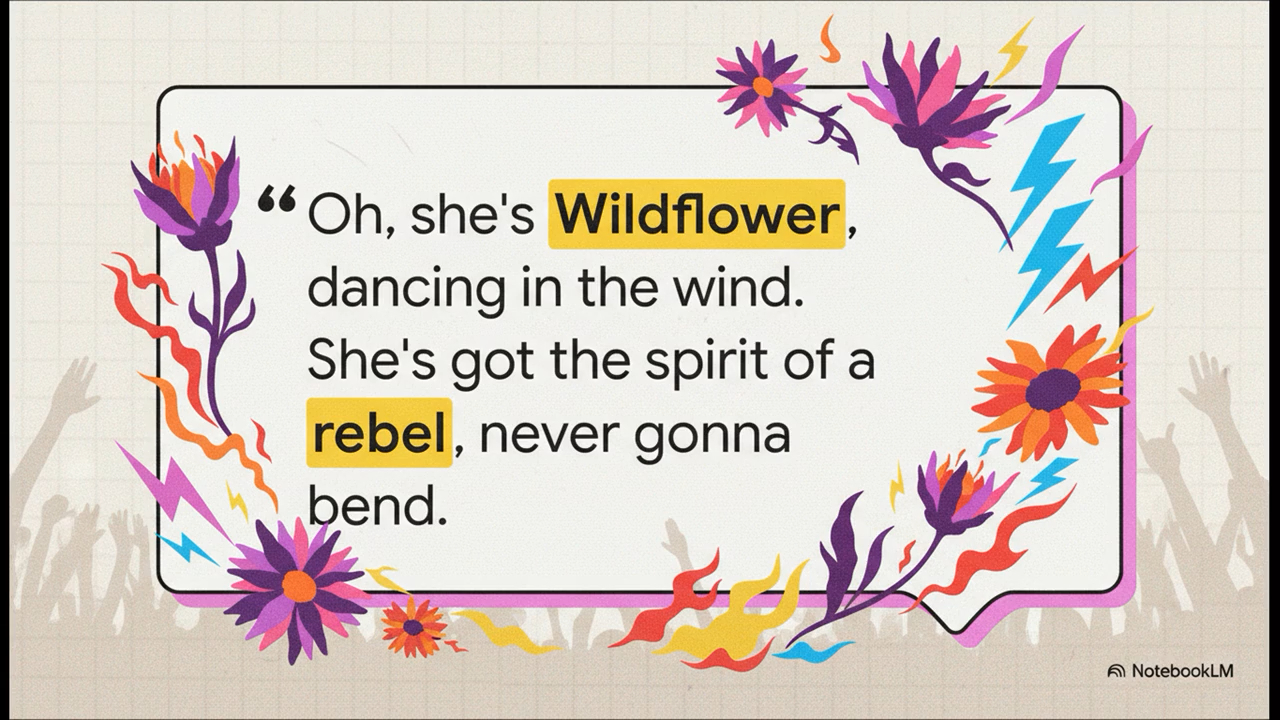
Songwriting is not just about meaning; it is about mouth-feel. It is about how the words physically feel to sing and to hear. "Wildflower" utilizes open vowels in the chorus ("Oh", "Wild", "Flower") which allows the singer to project volume without strain. This is crucial for radio play. The consonants are percussive ("Breaking", "Bend", "Wind"), providing a rhythmic skeleton that drives the song forward even without drums. This is "Phonetic Efficiency"—every syllable is doing work.
The Emotional Arc: Wound to Wisdom
The narrative arc of "Wildflower" follows the classic "Wound to Wisdom" structure. It begins with specific trauma (the "wound")—a broken home, a small town with no future. This establishes empathy. But it moves quickly to the "wisdom"—the resilience and the refusal to break. This is the payoff. Listeners want to see the character win. By providing that victory in the chorus, the song becomes an anthem of hope, making it highly valuable for commercial spots involving insurance, healthcare, or banking—industries that want to sell security and resilience.










.jpg)